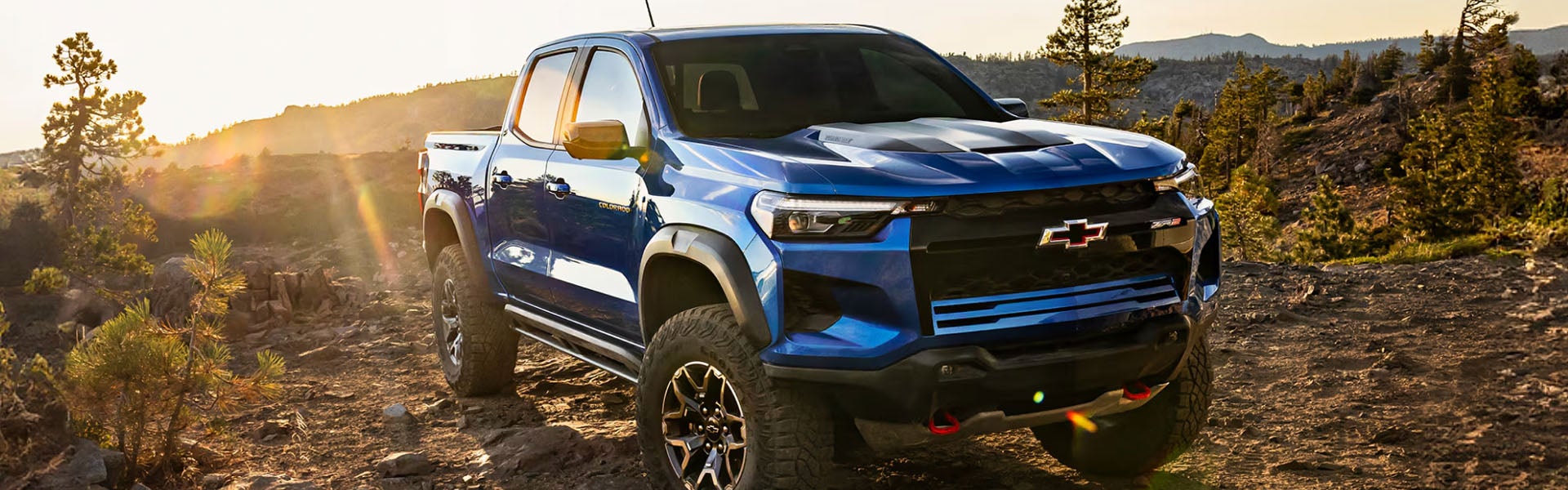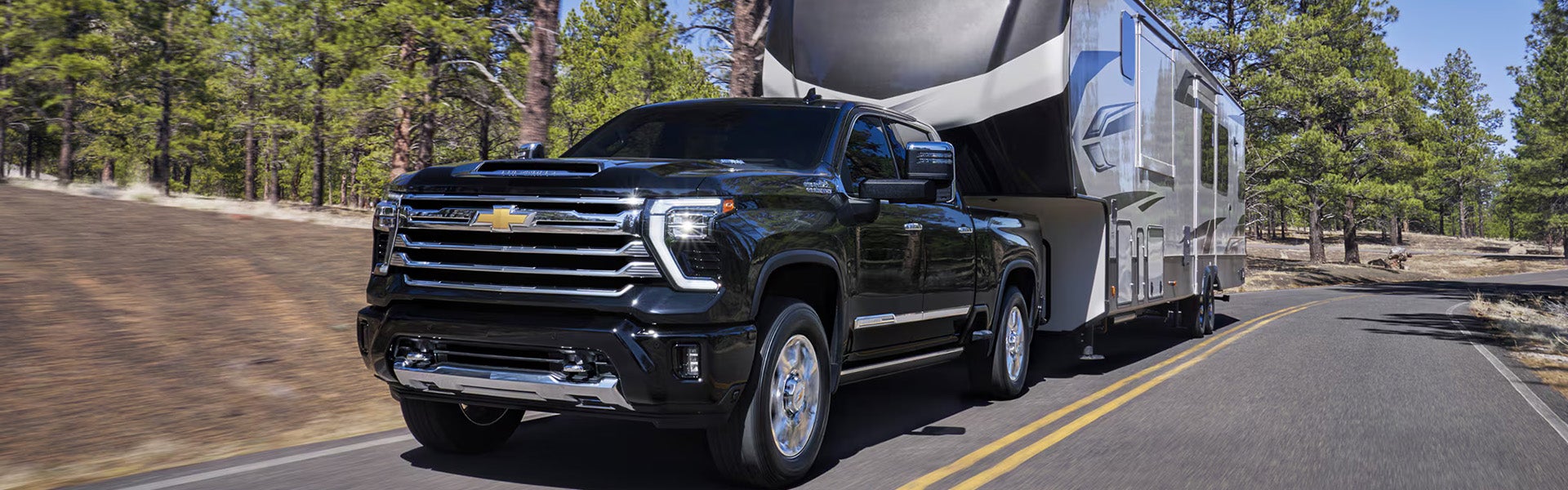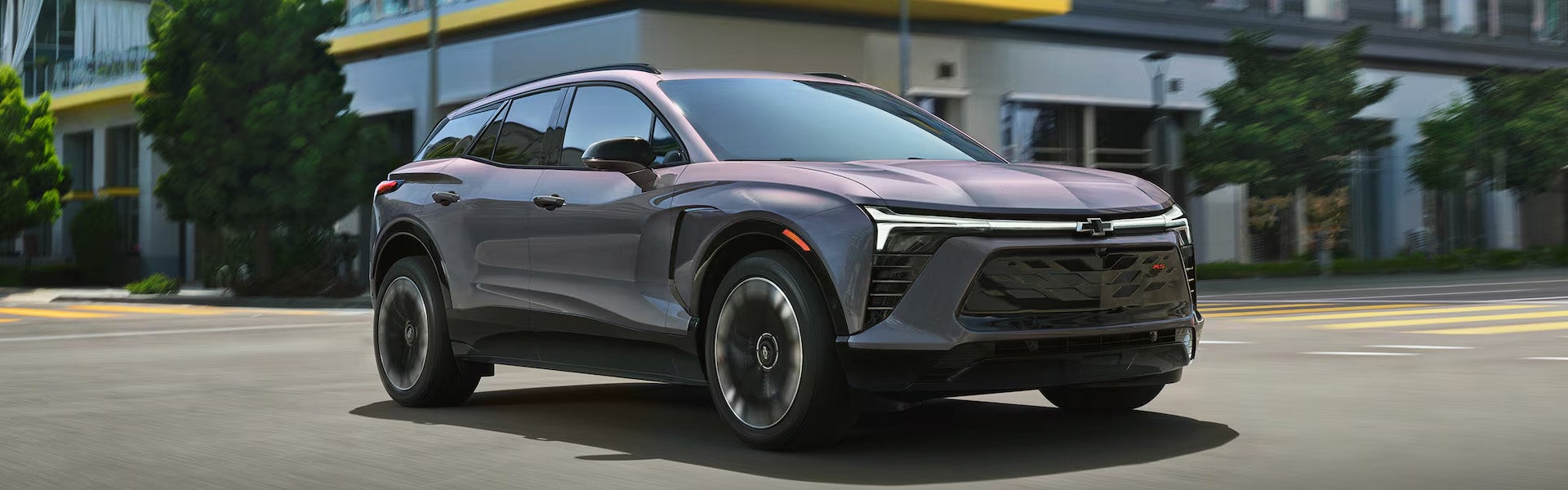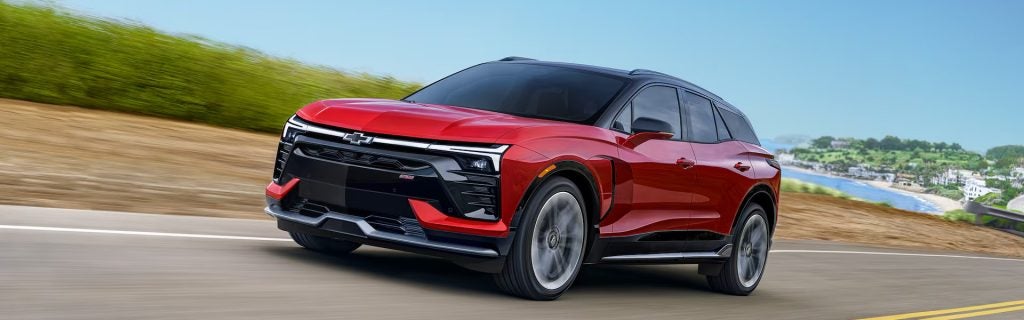




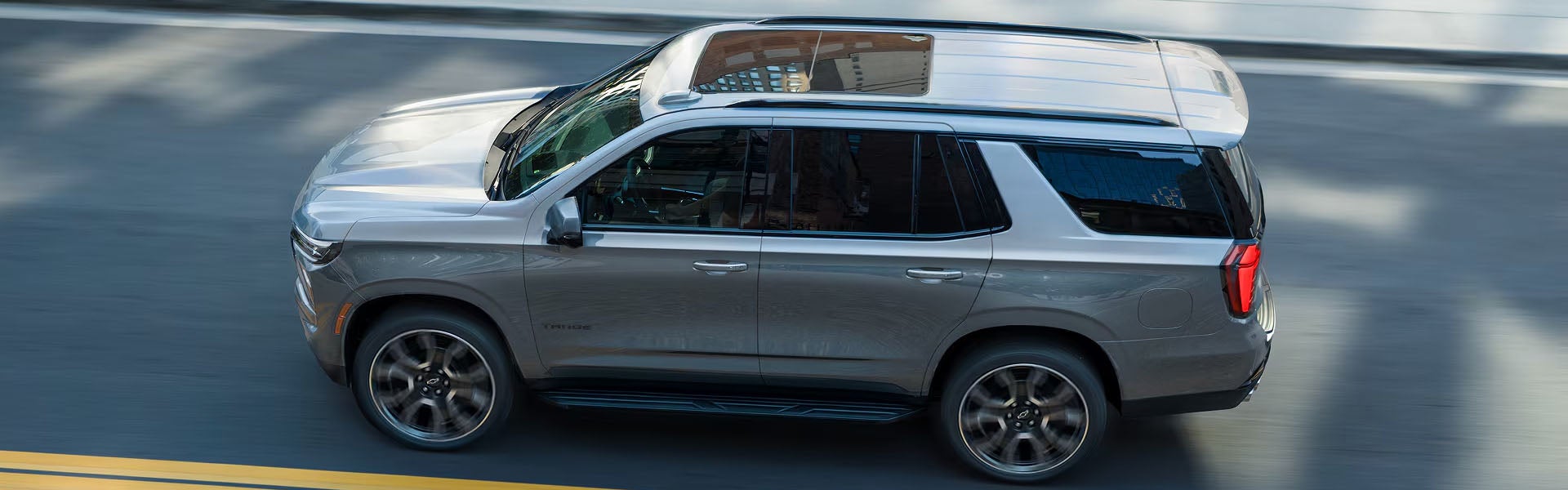
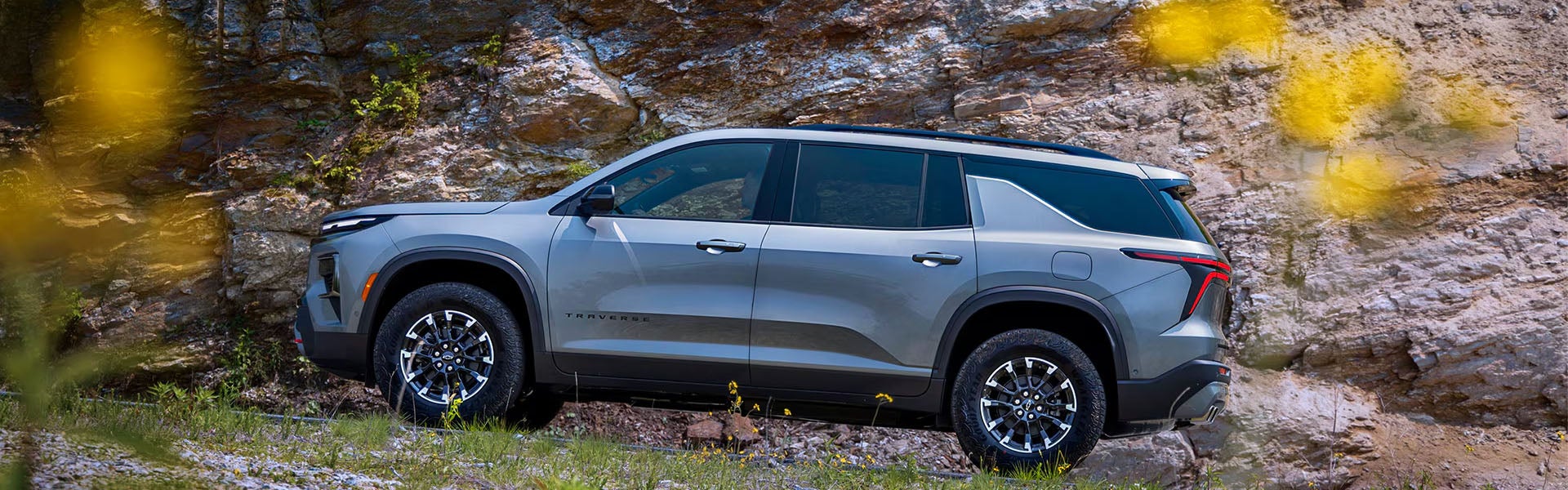
Good vehicle design begins with understanding its intended function. A compact SUV must balance interior space against exterior dimensions, while a full-size SUV has considerably more room for structural strength, passenger accommodations, and towing equipment. Chevrolet's Equinox, Traverse, Tahoe, and Suburban illustrate these different approaches. For Detroit, MI, drivers, their towing capacities reveal how engineering and vehicle proportions influence capability. Chevrolet Equinox: Compact Proportions, Light Towing The 2027 Chevrolet Equinox demonstrates the advantages of compact packaging. Its 1.5L turbocharged 4-cylinder engine produces 175 hp, while available AWD adds traction without compromising its manageable exterior dimensions. Seating for 5 fits within a cabin designed around passenger comfort and efficient use of space. With a maximum towing capacity of 1,500 lbs. when properly equipped, the Equinox accommodates lightweight utility trailers and smaller recreational loads. Its appeal lies in combining everyday maneuverability with occasional towing capability. Chevrolet Traverse: Space Without Excessive Size The 2027 Traverse occupies an interesting position between compact crossover proportions and full-size SUV capability. Its three-row interior accommodates up to 8 passengers, while carefully arranged cabin dimensions provide up to 98 cubic feet of cargo capacity. A 2.5L turbocharged engine produces 328 hp and 326 lbs. ft. of torque through an 8-speed automatic transmission, with standard FWD and available AWD. Properly equipped models tow up to 5,000 lbs. Standard Hitch View, Hitch Guidance, and an integrated Trailering App complement the vehicle's substantial increase in capability. Chevrolet Tahoe: Engineering for Greater Loads The 2027 Tahoe introduces body-on-frame construction, fundamentally changing its approach to towing. Its available powertrains include a 5.3L V8 producing 355 hp and 383 lbs. ft. of torque, a 6.2L V8 generating 420 hp and 460 lbs. ft. of torque, and a 3.0L Duramax Turbo-Diesel delivering 305 hp and 495 lbs. ft. of torque. Properly equipped 2WD models with the 5.3L V8 and Max Trailering Package can tow up to 8,400 lbs. Three-row seating maintains passenger flexibility, while available camera systems and Super Cruise® with compatible trailer support introduce additional technological sophistication. Chevrolet Suburban: Length Creates Opportunity The Suburban takes the Tahoe's fundamental architecture and extends its proportions to prioritize interior volume. The 2026 model provides up to 144.5 cubic feet of cargo space with the rear seats folded, an advantage when transporting substantial luggage and equipment alongside passengers. Sharing the Tahoe's available engine lineup, the Suburban achieves a maximum towing capacity of 8,200 lbs. with the 5.3L V8, 2WD, and Max Trailering Package. Its slightly lower maximum rating illustrates an important design compromise: additional interior capacity doesn't necessarily produce greater towing strength. Understanding the Engineering Behind Towing Ratings Maximum towing figures apply to specific configurations, not every version of a vehicle. Engine selection, drivetrain, trailering equipment, and passenger loads all influence capacity. Trailer tongue weight contributes to the SUV's payload, making Gross Vehicle Weight Rating and Gross Combined Weight Rating equally important considerations. Appropriate hitch equipment, trailer brakes, and weight distribution must also match the vehicle's requirements. Consult the owner's manual before towing. Explore Chevrolet SUV Capability at Jefferson Chevrolet Each Chevrolet SUV approaches towing from a different design perspective, balancing exterior dimensions, interior packaging, and mechanical capability. Visit Jefferson Chevrolet in Detroit, MI, to compare available new inventory and trailering equipment. Schedule a test drive to find the Chevrolet SUV that best accommodates your passengers, cargo, and towing requirements.
Is AWD or 4WD Better in Michigan Snow?
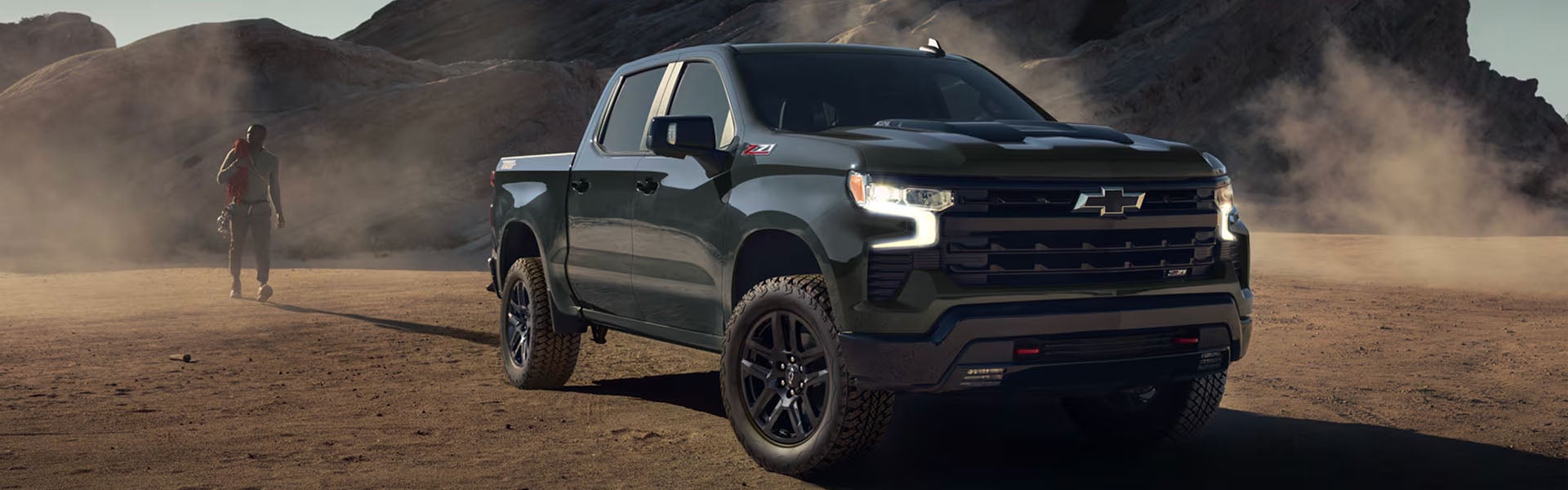
Michigan winters have a remarkable ability to turn an ordinary drive into an unexpected traction experiment. One minute you're cruising through Detroit, the next you're negotiating a snow-covered intersection with considerably less grip than you'd prefer. Both all-wheel drive (AWD) and four-wheel drive (4WD) can help, but they come at the problem differently. Choosing between AWD vs. 4WD for Michigan snow comes down to road conditions, driving habits, and the capability you need. AWD vs. 4WD: What's the Mechanical Difference? AWD systems generally distribute engine power automatically, adjusting torque between axles as traction changes. Some operate continuously, while others engage additional wheels when needed. Traditional 4WD systems typically use a transfer case and selectable operating modes. Equipped Chevrolet trucks may offer 2HI for normal driving, 4HI for appropriate slippery surfaces, and 4LO for demanding low-speed conditions. Some also feature an automatic 4WD setting. The distinction is straightforward: AWD handles traction adjustments with minimal driver involvement, while traditional 4WD provides greater control over drivetrain operation. Why AWD Makes Sense Around Detroit For commuters navigating plowed highways, slushy intersections, and residential streets, AWD offers a reassuring advantage. Available on the Chevrolet Equinox and Traverse, these systems respond to changing traction without requiring drivers to constantly select different drivetrain settings. Both SUVs also provide comfortable passenger accommodations and flexible cargo space. AWD can make pulling away from a snowy intersection considerably easier, although it won't perform miracles when the road becomes a sheet of ice. Four powered wheels still depend on four tires finding grip. When Michigan Snow Calls for 4WD Deep snow and unplowed roads present a different challenge. Chevrolet models including the Colorado, Silverado 1500, Silverado HD, Tahoe, and Suburban offer available 4WD systems suited to more demanding conditions. Engaging 4HI on appropriate slippery surfaces can improve traction, while available 4LO provides additional torque multiplication for difficult low-speed driving. It's particularly valuable when negotiating deep snow or challenging terrain. However, 4LO isn't designed for highway speeds, and locked 4WD settings can stress drivetrain components on dry pavement. Follow the vehicle's operating instructions when selecting modes. Four-Wheel Traction Doesn't Mean Four-Wheel Braking Magic Here's the important bit: AWD and 4WD help vehicles accelerate, but neither automatically improves braking grip. Stopping and cornering still depend heavily on tires and available road traction. Dedicated winter tires feature specialized rubber compounds and tread patterns designed for cold temperatures, snow, and ice. They're an important consideration regardless of drivetrain. Electronic stability control and anti-lock brakes provide additional assistance, but drivers still need reduced speeds, longer following distances, and smoother steering inputs when conditions deteriorate. Finding the Right Chevrolet for Winter The Equinox and Traverse suit families and commuters seeking available AWD, comfortable interiors, and cargo flexibility. Drivers needing pickup capability can explore available 4WD configurations of the Colorado and Silverado 1500. The Tahoe and Suburban offer three-row accommodations alongside available 4WD and substantial towing capability. Ground clearance, tire selection, and drivetrain equipment deserve attention when comparing vehicles for Michigan winters. Get Winter-Ready at Jefferson Chevrolet The right drivetrain depends on the roads you encounter most frequently. Visit Jefferson Chevrolet in Detroit, MI, to compare available AWD and 4WD Chevrolet models and explore their winter-driving features. Schedule a test drive to discover which configuration best suits your Michigan driving needs.