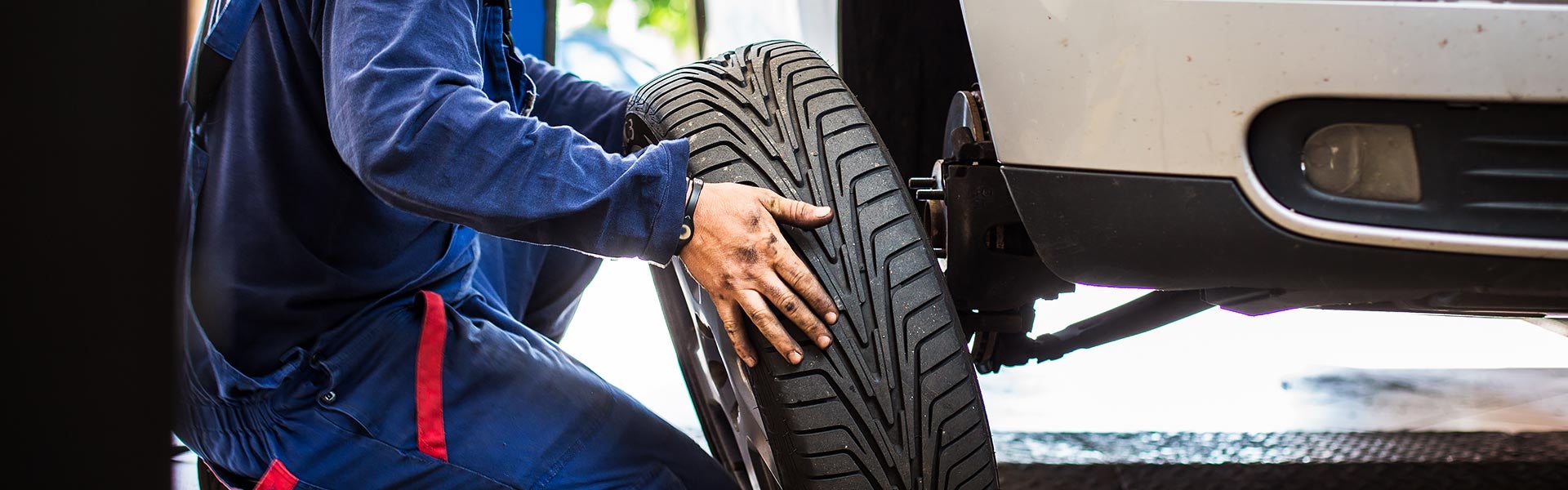





Knowing when to schedule a tire replacement in Michigan can make a real difference in how safely your Chevy handles the road. Between harsh winters, spring potholes, and summer heat, Michigan roads put serious stress on your tires throughout the year. If you're not sure where to start, this guide breaks it all down for you. When Should You Replace Your Tires in Michigan? When should you replace your tires in Michigan? The short answer is: sooner than you might think. Michigan's freeze-thaw cycles are especially tough on rubber, causing tires to crack, harden, and lose grip faster than in milder climates. A simple way to check your tires is the penny test. Insert a penny into the tread groove with Lincoln's head pointing down. If you can see the top of his head, your tread depth is too low and it's time for a replacement. Most experts recommend replacing tires when tread depth falls below 2/32 of an inch, though 4/32 of an inch is a safer threshold for wet or snowy Michigan roads. Signs Your Chevrolet Needs New Tires Tire replacement isn't just about tread depth. There are other warning signs that your Chevy's tires need attention sooner rather than later. Visible sidewall bulges or cracks are a serious safety concern, as they can lead to a blowout with little warning. Uneven wear patterns often point to alignment or suspension issues that, if left unaddressed, will continue to wear down new tires prematurely. Persistent vibration while driving - especially at highway speeds - can also signal that a tire has structural damage. If your Chevy is pulling to one side or your tires are losing air more frequently than normal, bring it in for an inspection before the issue gets worse. How Michigan Seasons Affect Tire Wear Each season brings its own challenges. Winter conditions demand tires with flexible rubber compounds that grip in snow and ice. Summer temperatures cause tire pressure to fluctuate, which affects handling and can lead to premature wear if left unchecked. Spring is particularly hard on tires near Detroit, MI, where frost heaves create rough pavement and pothole-filled roads. These impacts can damage tires and wheels in ways that aren't always obvious from the outside. Checking your tires every time the season changes is a smart habit for any Michigan driver. How Often Should You Replace Tires? Even if your tires look fine, age is important. Most tire manufacturers recommend replacing tires every six years, regardless of visible wear. After 10 years, tires should always be replaced, even if the tread appears adequate. Tire replacement in Michigan also depends on your driving habits. High-mileage drivers who commute frequently may need new tires every three to four years. If you're unsure of your tires' age, the manufacture date is stamped on the sidewall as a four-digit code representing the week and year of production. Visit Jefferson Chevrolet for Tire Service So, if you need a quick inspection or a full tire replacement, the Certified Service team at Jefferson Chevrolet is here to help. They're trained specifically on Chevrolet vehicles and use quality parts designed to meet your Chevy's specifications. Drivers throughout Detroit, MI trust Jefferson Chevrolet to keep their vehicles road-ready in every season. Stop in, schedule an appointment online, or give us a call - your safety starts with the right tires.