




Blog / Detroit Chevrolet Service

Blog

All Detroit Chevrolet Service Detroit Chevrolet Dealer Jefferson Chevrolet in Detroit, MI Compact SUV Detroit Used Cars 2026 Chevy Silverado 1500 Best Family-Friendly Chevrolet Models Chevrolet Trucks Used Car Dealer Detroit, MI 2026 Chevrolet Blazer EV 2026 Chevrolet Colorado 2026 Chevrolet Colorado in Detroit 2026 Chevrolet Trax Auto Financing Chevy Vehicles for Gas Mileage in Detroit, MI Ford E-Series Cutaway Tire Inspection Trade-In Process 2026 Chevrolet Equinox 2026 Chevrolet Trailblazer in Detroit, MI 2026 Chevrolet Trailblazer Inventory 2026 Chevrolet Traverse Chevy Trucks RAM ProMaster Tire Replacement Used Box Trucks
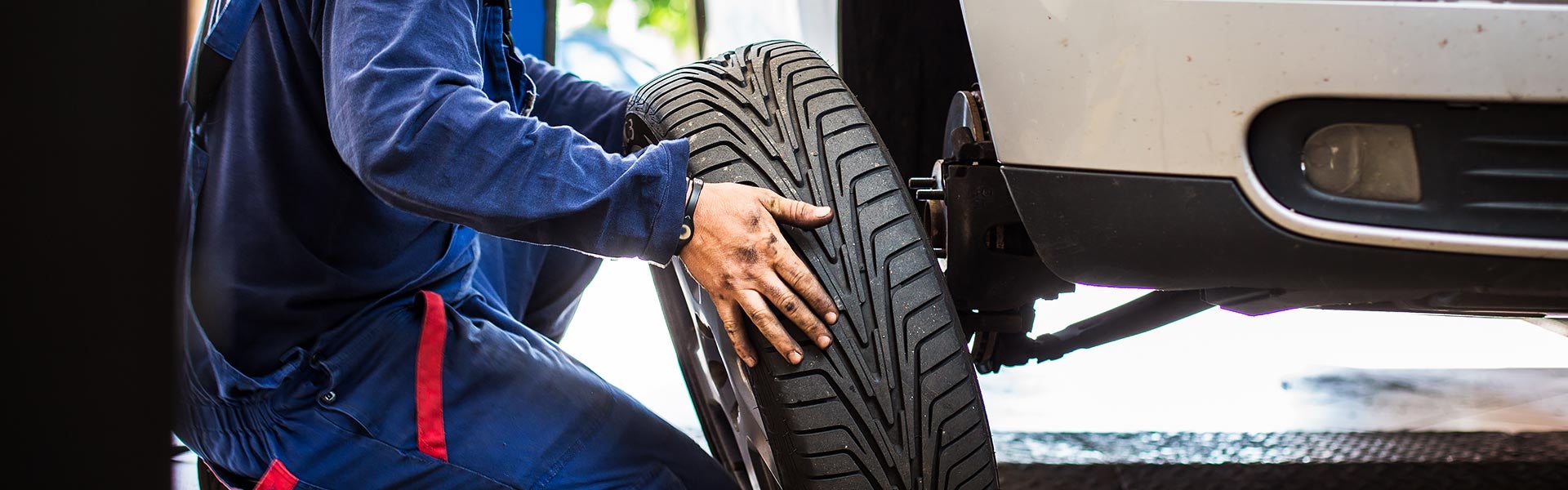
Mechanic performing a tire rotation on a vehicle.

Tire Replacement Michigan: What Every Detroit Driver Should Know

Knowing when to schedule a tire replacement in Michigan can make a real difference in how safely your Chevy handles the road. Between harsh winters, spring potholes, and summer heat, Michigan roads put serious stress on your tires throughout the year. If you're not sure where to start, this guide breaks it all down for you. When Should You Replace Your Tires in Michigan? When should you replace your tires in Michigan? The short answer is: sooner than you might think. Michigan's freeze-thaw cycles are especially tough on rubber, causing tires to crack, harden, and lose grip faster than in milder climates. A simple way to check your tires is the penny test. Insert a penny into the tread groove with Lincoln's head pointing down. If you can see the top of his head, your tread depth is too low and it's time for a replacement. Most experts recommend replacing tires when tread depth falls below 2/32 of an inch, though 4/32 of an inch is a safer threshold for wet or snowy Michigan roads. Signs Your Chevrolet Needs New Tires Tire replacement isn't just about tread depth. There are other warning signs that your Chevy's tires need attention sooner rather than later. Visible sidewall bulges or cracks are a serious safety concern, as they can lead to a blowout with little warning. Uneven wear patterns often point to alignment or suspension issues that, if left unaddressed, will continue to wear down new tires prematurely. Persistent vibration while driving - especially at highway speeds - can also signal that a tire has structural damage. If your Chevy is pulling to one side or your tires are losing air more frequently than normal, bring it in for an inspection before the issue gets worse. How Michigan Seasons Affect Tire Wear Each season brings its own challenges. Winter conditions demand tires with flexible rubber compounds that grip in snow and ice. Summer temperatures cause tire pressure to fluctuate, which affects handling and can lead to premature wear if left unchecked. Spring is particularly hard on tires near Detroit, MI, where frost heaves create rough pavement and pothole-filled roads. These impacts can damage tires and wheels in ways that aren't always obvious from the outside. Checking your tires every time the season changes is a smart habit for any Michigan driver. How Often Should You Replace Tires? Even if your tires look fine, age is important. Most tire manufacturers recommend replacing tires every six years, regardless of visible wear. After 10 years, tires should always be replaced, even if the tread appears adequate. Tire replacement in Michigan also depends on your driving habits. High-mileage drivers who commute frequently may need new tires every three to four years. If you're unsure of your tires' age, the manufacture date is stamped on the sidewall as a four-digit code representing the week and year of production. Visit Jefferson Chevrolet for Tire Service So, if you need a quick inspection or a full tire replacement, the Certified Service team at Jefferson Chevrolet is here to help. They're trained specifically on Chevrolet vehicles and use quality parts designed to meet your Chevy's specifications. Drivers throughout Detroit, MI trust Jefferson Chevrolet to keep their vehicles road-ready in every season. Stop in, schedule an appointment online, or give us a call - your safety starts with the right tires.

Automotive service employee assisting a customer while selecting tires at a tire shop.

Tire Inspection: Spotting Wear Before it Becomes Trouble

Tires are one of the most important safety features on your vehicle, though you may not realize it. They 're easy to overlook until something goes wrong. A routine tire wear inspection can help you catch small issues before they turn into bigger, more expensive problems. Whether you drive a 2026 Silverado, an Equinox, or any other Chevrolet model, keeping tabs on your tires is a smart habit for every driver, especially in Detroit, Michigan where traffic, inclement weather, and construction are a regular part of life. Knowing how to spot tire wear before it becomes a problem doesn't require a mechanic's expertise. With a few simple checks, you can stay informed and drive with greater confidence year-round. What a Tire Wear Inspection Actually Involves A tire wear inspection is a review of your tires' tread depth, condition, and wear patterns. Tread depth matters because it directly affects your vehicle's ability to grip the road, especially in wet or slippery conditions. Most experts recommend replacing tires when tread depth reaches 2/32 of an inch, though replacing them at 4/32 of an inch gives you a safer cushion. You can do a basic check using a penny. Insert it into a tread groove with Lincoln's head facing down. If you can see the top of his head, your tread is too worn and it's time to take action. Common Tire Wear Patterns and What They Mean One of the most useful things to look for during a tire wear inspection is uneven wear. Different patterns can signal different underlying issues with your vehicle. C enter wear — where the middle of the tire wears faster than the edges — usually points to overinflation. That can lead to blowouts, while e dge wear on both sides often means the tire has been running underinflated. One-sided wear can indicate an alignment problem, while cupping or scalloping across the tread surface may suggest a suspension issue. Understanding how to spot tire wear before it becomes a problem means learning to read these signs early. Catching alignment or inflation issues sooner rather than later can help extend the life of your tires, and in the moment, i mprove handling and safety—and even fuel economy. Misalignment basically makes you tires work harder with dragging and rolling resistance—so your engine burns more gas. That’s something nobody wants right now. How Often Should You Check Your Tires Most automotive professionals recommend checking your tire pressure and tread at least once a month. It's also a good idea to inspect your tires before long road trips or after hitting a significant pothole or curb. If you go off-roading, frequently deal with stop-and-go traffic, or ugly road conditions, you may want to check more often too. Seasonal changes can also affect tire pressure. As temperatures drop, air pressure typically decreases, so drivers in Detroit, MI should be especially mindful heading into fall and winter. Keeping your tires properly inflated helps maintain even wear and better fuel efficiency. Rotating your tires every 5,000 to 7,500 miles is another effective way to promote even wear across all four tires, and all this can get done at the same time. Your Chevrolet Certified Service team can handle rotation, pressure checks, and full inspections during routine service visits. When to Bring Your Chevy in for a Professional Tire Inspection Some signs go beyond what you can evaluate on your own. If you notice vibration in the steering wheel, your vehicle pulling to one side, or a noticeable drop in handling responsiveness, it's time to schedule a professional tire wear inspection. Again, all that affects handling, compromises safety, and can reduce fuel economy. Visible damage such as bulges, cracks in the sidewall, or exposed cords are serious warning signs that require immediate attention. Do n’ t wait on thes e — they can lead to a sudden blowout while driving. Jefferson Chevrolet is Your Trusted Service Center A regular tire wear inspection is one of the simplest ways to protect yourself and your passengers on the road. Learning how to spot tire wear before it becomes a problem gives you the knowledge to act early and avoid more costly repairs down the line. If you're due for a tire check or notice anything unusual, the Certified Service team at Jefferson Chevrolet, serving Detroit, MI is ready to help you keep your Chevrolet running safely and confidently.

Car key being handed over during a vehicle purchase with paperwork and a toy car on the desk.

How Auto Financing in Detroit, MI Works — and How to Get Started

If you're shopping for a new vehicle and wondering how auto financing in Detroit, MI  works, you're not alone. For many buyers, the financing process feels like the most confusing part of purchasing a car. The good news is that it doesn't have to be. Once you understand the basic steps, getting behind the wheel of a new Chevrolet becomes a lot more straightforward. What Is Auto Financing and Why Does It Matter? Auto financing is a loan that allows you to purchase a vehicle and pay for it over time rather than all at once. Instead of paying the full cost upfront, you work with a lender — often through the dealership — to secure a loan amount, interest rate, and monthly payment that fits your budget. Understanding how this process works before you walk into a dealership can save you time and help you feel more confident during negotiations. Understanding the Auto Financing Process Step by Step The auto financing process typically begins with a credit check. Lenders use your credit score to determine your interest rate and loan terms. A higher credit score generally means a lower interest rate, which translates to lower monthly payments. Once your credit is reviewed, you'll receive a loan offer that outlines the amount financed, annual percentage rate, and the length of the loan term. Longer loan terms mean lower monthly payments, but more interest paid overall. Shorter terms mean higher payments but less interest in the long run. Down payments also play a role. Putting money down upfront reduces the total amount you need to finance and can lower your monthly payment. Trade-in vehicles can be applied toward a down payment as well. What to Expect When You Apply When you apply for auto financing, you'll typically need to provide basic personal information, proof of income, proof of residence, and your driver's license. The application process at dealerships with financing is designed to be efficient, and many dealerships can process your application the same day you visit. Some buyers also choose to get pre-qualified before visiting the dealership. Pre-qualification gives you an idea of what loan amount and terms you may be eligible for without impacting your credit score. This can be a helpful first step, especially if you're comparing options. How GM Financial Fits Into the Picture Many Chevy buyers take advantage of financing through GM Financial, which is the captive lender for Chevrolet vehicles. GM Financial offers competitive rates and works directly with dealerships to streamline the financing experience. From time to time, Chevrolet also offers special financing promotions on select models — like low APR deals on popular vehicles such as the Silverado 1500. These offers can make a significant difference in the overall cost of your loan, so it's worth asking what's currently available when you visit. Tips for Getting the Best Financing Terms Before applying, it's a good idea to review your credit report for any errors that could be dragging down your score. Even small improvements to your credit profile can make a meaningful difference in the rate you're offered. You should also consider how much vehicle you can realistically afford based on your monthly budget. A general rule of thumb is to keep your total vehicle payment — including insurance — at or below 20 percent of your take-home pay. Dealerships with financing can also help you understand all of your options, including lease programs versus traditional financing, which may be a better fit depending on your driving habits and long-term goals. Come See Us in Detroit, MI Whether you're ready to apply or just starting to explore your options, the team at Jefferson Chevrolet is here to walk you through the auto financing process at every step of the way. From helping you understand loan terms to finding the right Chevrolet model for your lifestyle and budget, we're committed to making the experience as smooth as possible. Stop by, explore the inventory, and let's find the right path forward for you. Auto financing doesn't have to feel overwhelming. With the right information and a knowledgeable team on your side, you can walk into the process with confidence and drive home in a vehicle you love. Visit Jefferson Chevrolet to learn more, browse current inventory, or begin your financing application today.

Contact Us

Fill out this form below and we'll contact you shortly
*Required Fields